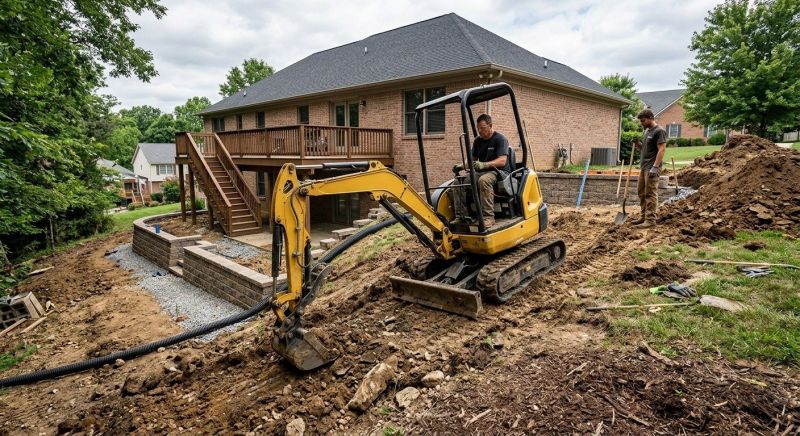
Building Excavation in Salt Lake City, UT
Building excavation services involve the careful removal and movement of soil, rock, and other materials to prepare a site for construction projects. These services are essential for a variety of projects, including the foundation of new homes, driveways, retaining walls, or landscaping features. Property owners often seek excavation to ensure the ground is properly leveled, stable, and ready for building, which helps prevent future issues such as uneven settling or drainage problems.
Before requesting excavation services, property owners should understand the scope of their project, including the size of the area to be excavated and any existing underground utilities or obstructions. It’s also important to consider the soil conditions and potential permits required for excavation work. Clear communication about project goals and site specifics can help ensure the process proceeds smoothly and meets the intended construction needs.
Many property owners in Salt Lake City, UT look into Building Excavation for repairs, replacements, upgrades, and appearance-related improvements.
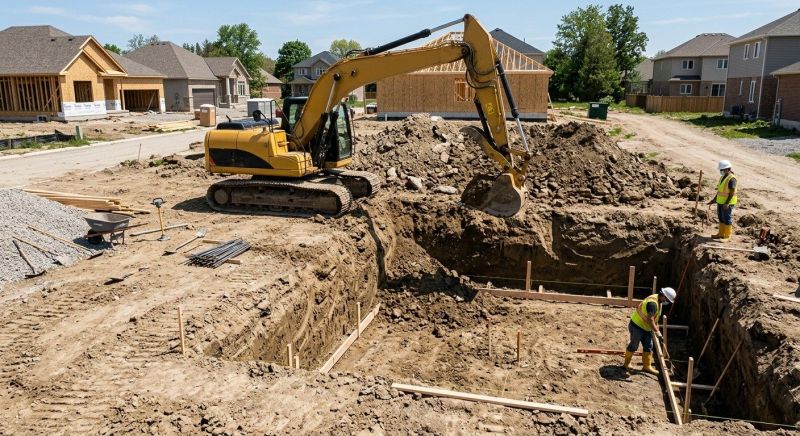
Site Preparation And Clearing
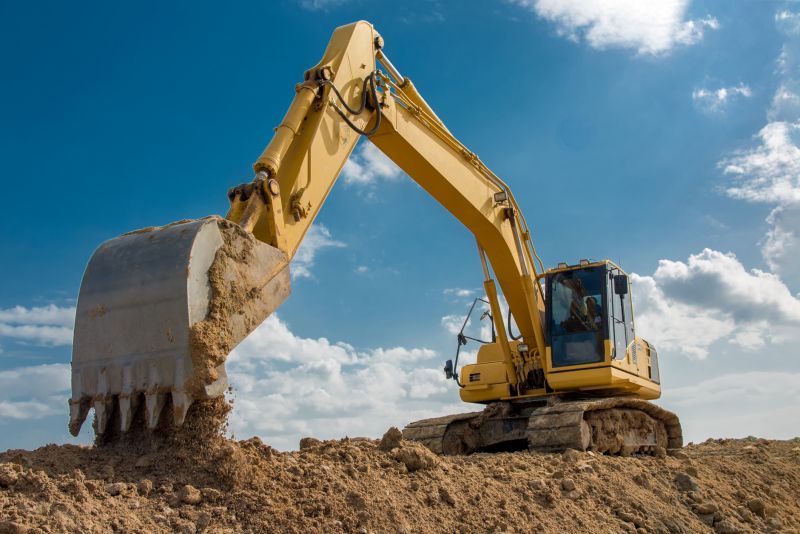
Preparing land for construction involves removing debris, leveling, and ensuring a stable foundation.
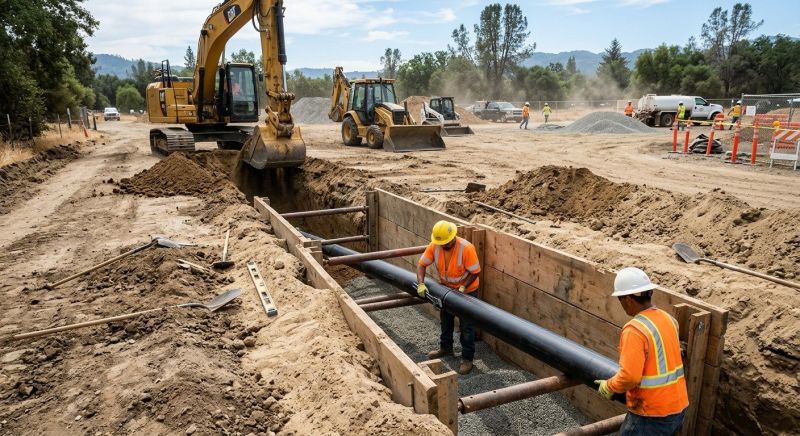
Foundation Excavation
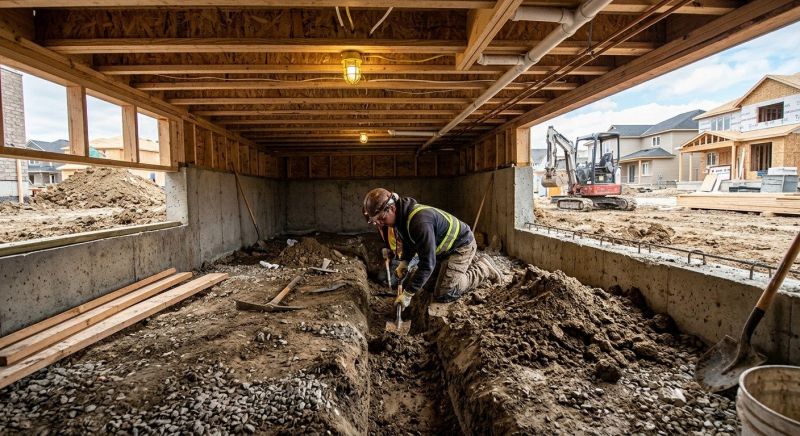
Excavation services create the necessary space for building foundations, basements, and underground utilities.
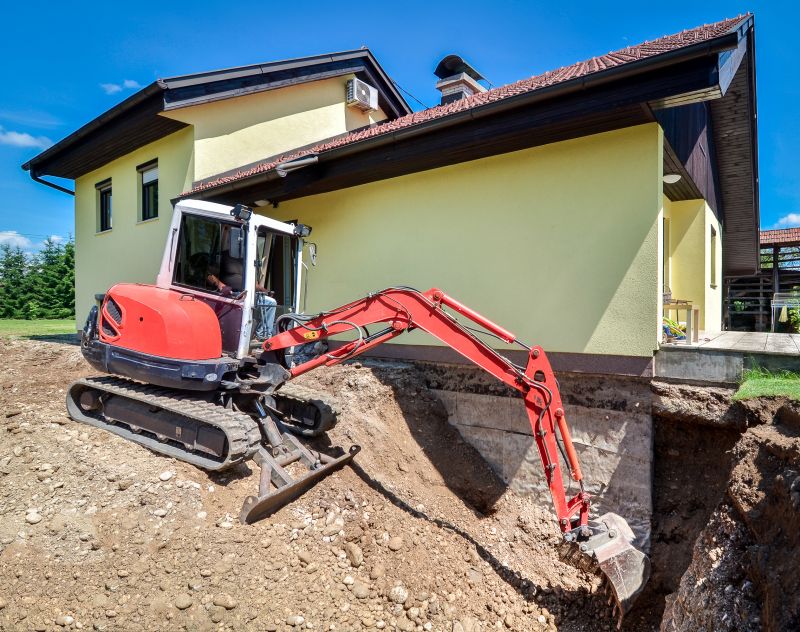
Land Grading And Drainage
Proper grading ensures effective water runoff and prevents flooding around properties in salt lake city, ut.
Building Excavation in Salt Lake City, UT

Building excavation services involve the careful removal and movement of soil, rock, and other materials to prepare a site for construction projects. These services are essential for a variety of projects, including the foundation of new homes, driveways, retaining walls, or landscaping features. Property owners often seek excavation to ensure the ground is properly leveled, stable, and ready for building, which helps prevent future issues such as uneven settling or drainage problems.
Before requesting excavation services, property owners should understand the scope of their project, including the size of the area to be excavated and any existing underground utilities or obstructions. It’s also important to consider the soil conditions and potential permits required for excavation work. Clear communication about project goals and site specifics can help ensure the process proceeds smoothly and meets the intended construction needs.
Many property owners in Salt Lake City, UT look into Building Excavation for repairs, replacements, upgrades, and appearance-related improvements.
Common Building Excavation Jobs
Site preparation excavation - clearing and leveling land to prepare for construction projects.
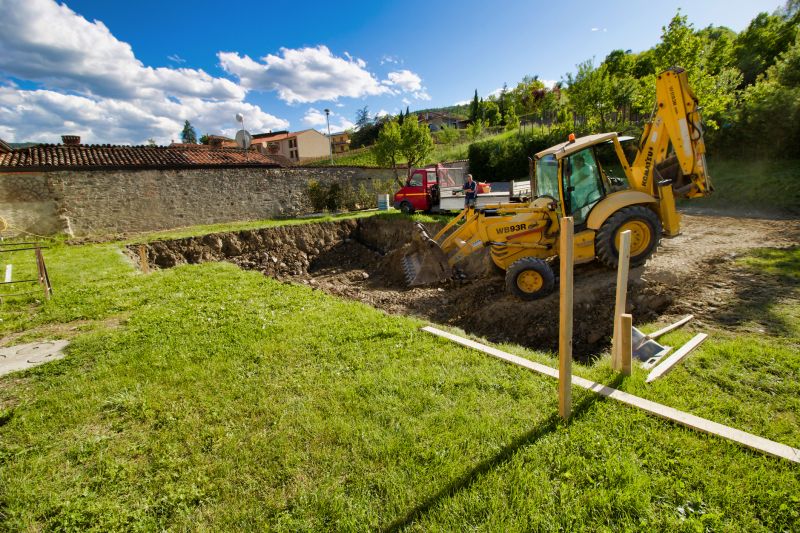
Foundation excavation - digging trenches and pits for building foundations and basements.
Drainage and utility trenching - creating pathways for water, sewer, and electrical lines.
Driveway and pathway excavation - removing soil and debris to install new driveways or walkways.
Land clearing and grading - removing trees, shrubs, and debris to shape the property landscape.
Pool and landscape excavation - excavating areas for pools, patios, and garden features.
Building Excavation Questions
What types of projects require building excavation? Building excavation is used for foundations, basements, retaining walls, and site preparation for new construction or renovations.
How deep can excavation work typically go? Excavation depths vary based on project needs, but they generally range from a few feet to several meters underground.
What should property owners consider before excavation? It's important to assess soil conditions, utility locations, and drainage needs before starting excavation work.
Is building excavation suitable for small residential projects? Yes, excavation services can be tailored to suit small-scale residential projects like driveways or landscaping foundations.
Request Building Excavation in Salt Lake City, UT
Use the quote form on this page to share the basics of your project and request more information for the type of work you need.