Compare Local Contractors for Drainage Sloping Services
Compare local contractors for drainage sloping to clarify project scope, verify experience, and set clear expectations before choosing the right service provider.
Drainage sloping services typically involve adjusting the grade or slope of a property’s landscape to ensure proper water runoff. This work can include reshaping soil, installing or modifying existing drainage systems, and ensuring that water flows away from foundations, walkways, and other structures. Proper drainage sloping helps prevent water pooling, soil erosion, and potential damage to a property’s foundation or landscaping. Contractors experienced in this area understand how to evaluate the site’s natural contours and design a slope that directs water efficiently, reducing the risk of future water-related issues.
Defining the scope of drainage sloping work is an essential step in ensuring the project meets specific needs and expectations. Clearly outlining what the work will cover-such as the extent of grading, the type of soil or materials used, and any additional drainage features-helps property owners and contractors work towards a common understanding. Having a detailed scope also minimizes misunderstandings and provides a basis for written agreements, which are important for managing expectations and ensuring the work aligns with the property’s requirements.
Property owners seeking drainage sloping services can benefit from comparing local contractors to find the right service provider for their project. When evaluating options, it’s helpful to consider the experience and expertise of each contractor, especially related to similar projects in the area. Reviewing how contractors define their scope of work and requesting detailed written proposals can help clarify what is included and prevent surprises later. Comparing credentials, work samples, and the clarity of communication can assist in selecting a contractor who is well-suited to handle the specific drainage needs of a property.
Compare local contractors by outlining project priorities, verifying experience, and clearly defining scope and expectations in writing.
- Compare Contractors - evaluate multiple service providers to find the best match for drainage sloping needs.
- Define Project Scope - clearly outline the work requirements to ensure all parties understand the expectations.
- Verify Experience - review the background and past work of local contractors to assess their expertise.
- Set Expectations in Writing - document the scope, responsibilities, and outcomes to avoid misunderstandings.
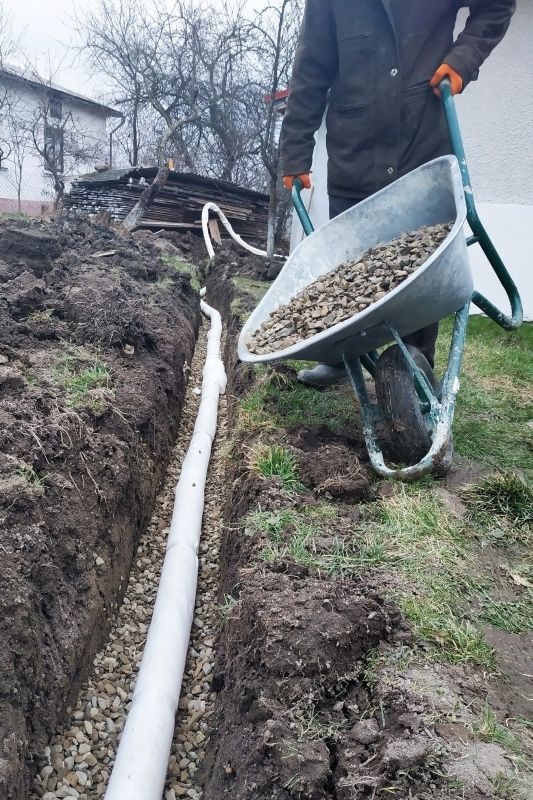
Before comparing contractors for drainage sloping, clearly describe your project scope and verify their experience.
- Verify that the contractor understands proper drainage slope standards for your area. - Ensure the scope of work clearly includes the desired slope angle and drainage flow direction.
- Check that the contractor has experience with similar drainage sloping projects in comparable terrain. - Confirm that the service provider can demonstrate knowledge of effective slope techniques.
- Discuss and document the specific areas requiring drainage sloping to set clear project expectations. - Clarify the extent of work and any potential challenges in writing before starting.
- Compare multiple local contractors to evaluate their approach to drainage slope design and installation methods. - Look for consistency in their proposed solutions and understanding of best practices.
- Request references or examples of past drainage sloping projects to assess quality and reliability. - Use this information to gauge the contractor's experience and success rate.
- Ensure that the scope of work includes detailed plans for slope measurement, grading, and drainage flow management. - Confirm these details are documented to prevent misunderstandings during the project.
Compare local contractors' experience and clarify scope to ensure successful drainage sloping projects.
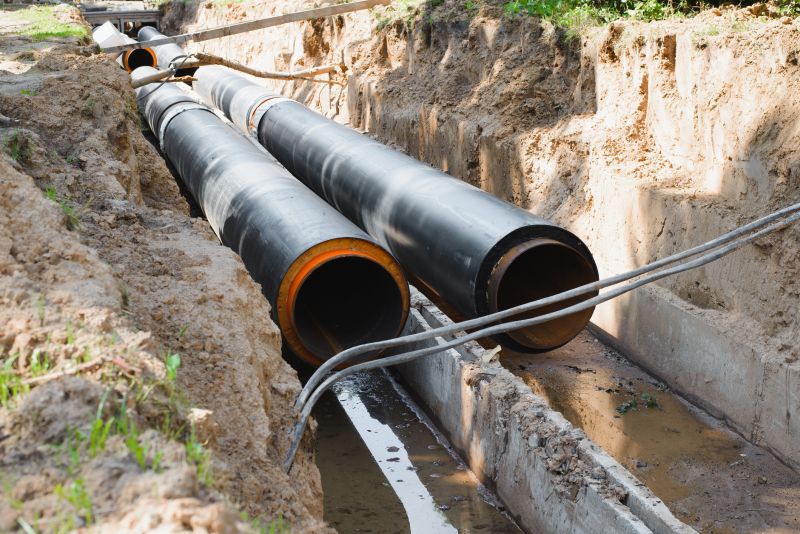
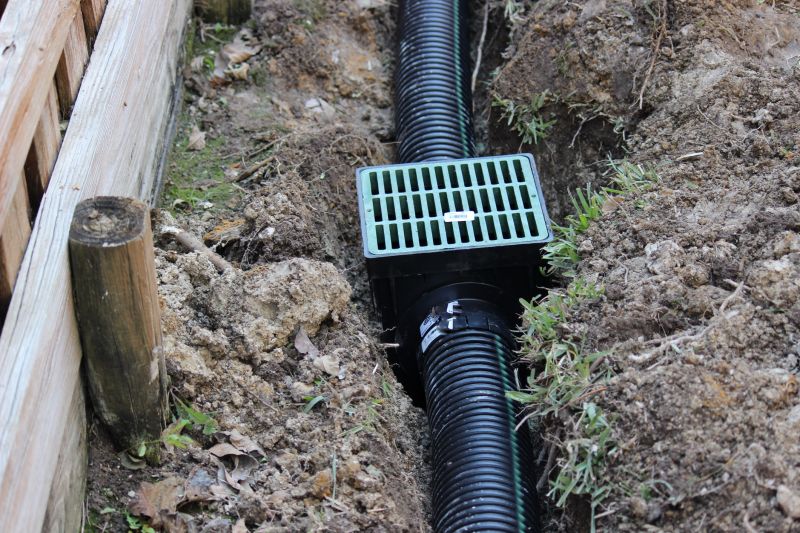
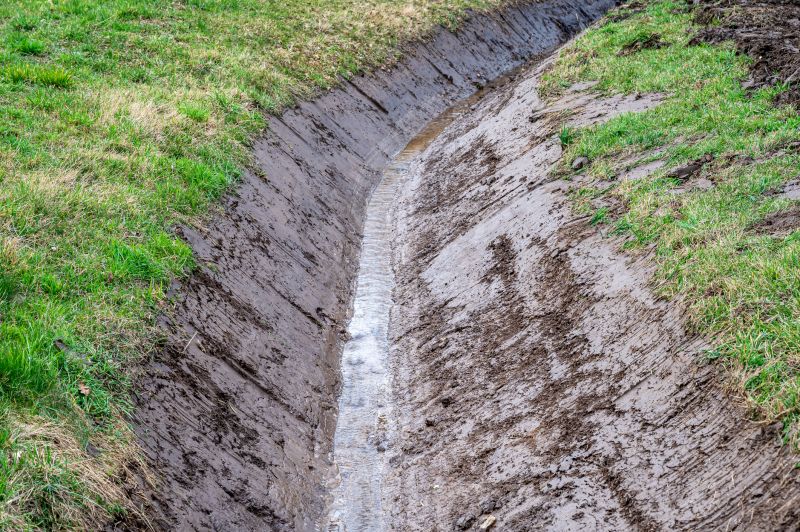
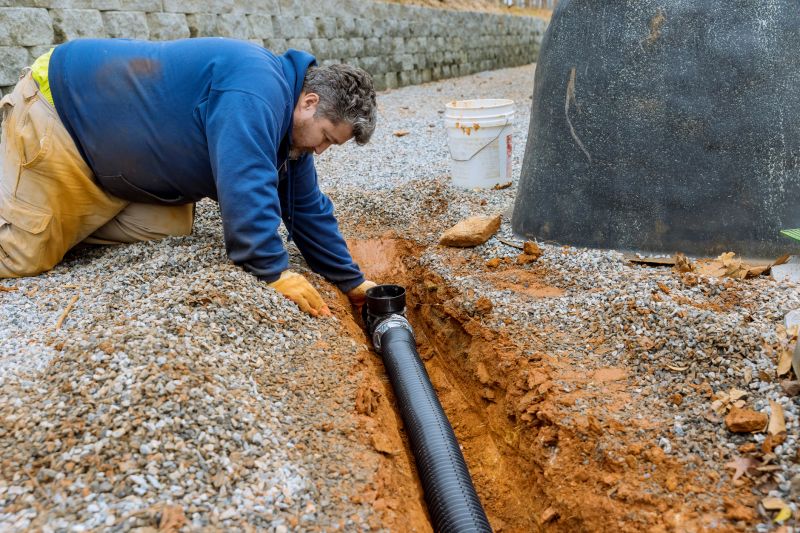
Learn how to compare local contractors for drainage sloping projects by defining scope, verifying experience, and maintaining consistent comparison standards.
- Define slope specifications - establish the desired drainage slope angles to ensure proper water flow away from structures.
- Assess existing terrain conditions - evaluate the current land grade and surface features that may influence drainage sloping.
- Determine drainage flow direction - specify the intended path for water runoff to prevent pooling and erosion.
- Identify appropriate materials - select suitable materials for creating or modifying slopes that meet project requirements.
- Document scope in writing - clearly outline the work details and expectations to compare and verify with local service providers.
When comparing contractors for drainage sloping projects, it’s important to consider their experience with similar types of work. Homeowners should inquire about the scope of past projects to ensure the service providers have handled drainage adjustments comparable to the current needs. A contractor with a proven track record in managing slope corrections and drainage improvements is more likely to understand the nuances involved and deliver results that effectively address water flow and soil stability concerns.
A clear, written scope of work is essential when evaluating potential contractors. This document should outline the specific tasks to be completed, the materials to be used, and the expected outcomes. Having a detailed scope helps prevent misunderstandings and sets clear expectations for the project. Homeowners are encouraged to review these documents carefully, ensuring they align with their goals and that all key aspects of the drainage sloping are addressed comprehensively.
Verification basics involve assessing a contractor’s ability to demonstrate their experience and knowledge through references, project portfolios, or client testimonials. While formal licensing or certification may not be a focus, understanding a contractor’s familiarity with local soil conditions, drainage standards, and best practices can provide confidence in their capability. Asking for examples of completed projects similar in scope can help homeowners gauge whether a service provider has the practical experience needed to handle their specific drainage challenges.
Evaluating options without relying on prices involves focusing on the quality of communication, the completeness of the scope, and the contractor’s approach to the project. Homeowners should compare how well each service provider explains their process, the thoroughness of their proposal, and their understanding of the site’s unique conditions. By emphasizing experience, clarity, and professionalism in written proposals, homeowners can make informed decisions that align with their project goals, ensuring they select a contractor capable of delivering effective drainage sloping solutions.
Ask contractors to provide written scope details to ensure clarity and consistency throughout the drainage sloping project.
- Experience with Drainage Sloping - What specific experience do contractors have with drainage sloping projects similar to yours?
- Scope of Work Clarification - How do contractors define the scope of drainage sloping work to ensure all aspects are covered?
- Comparison of Approaches - How do different service providers approach drainage sloping to meet your site’s unique needs?
- Scope Documentation - Are contractors willing to provide detailed written descriptions of the work included and excluded?
- Experience Verification - How can you verify a contractor’s experience and success with drainage sloping projects?
What should I consider when selecting a contractor for drainage sloping? It's important to compare local contractors based on their experience, reputation, and the scope of services they offer to ensure they meet the specific needs of your drainage project.
How can I verify a contractor's experience with drainage sloping? You can review their portfolio, ask for references, or inquire about previous projects similar to yours to assess their expertise in drainage sloping work.
What questions should I ask to define the scope of my drainage sloping project? Clarify the area to be sloped, the desired drainage outcome, materials to be used, and any site-specific considerations to ensure the contractor understands your expectations.
Why is it important to have a written agreement with a drainage contractor? A written contract helps set clear expectations, details the scope of work, and provides a record of the agreed-upon terms, reducing misunderstandings.
How can I compare different contractors for drainage sloping services? Review their experience, scope of services, reputation, and proposals to determine which contractor aligns best with your project's needs.
What should I include in my communication with a contractor about drainage sloping? Clearly describe your project goals, site conditions, specific requirements, and any concerns to help ensure the contractor understands and can provide appropriate services.
By exploring the information provided, visitors can gain a clearer understanding of how to effectively compare contractors for drainage sloping projects. They will learn the importance of defining the scope of work, verifying the experience of potential service providers, and establishing expectations in writing to help ensure a smooth process. This knowledge can assist in making informed decisions when selecting local contractors suited to their specific needs.
Using the quote form allows visitors to easily connect with multiple local service providers, enabling them to compare options side by side. This approach simplifies the process of finding the right contractor for drainage sloping work, helping to identify professionals who are well-suited to handle the project efficiently and reliably.